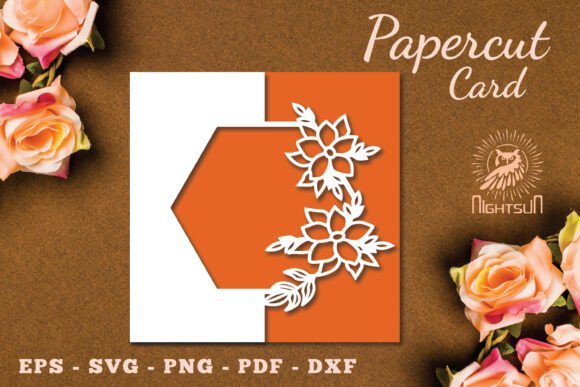
Review: Mandala Paper Cutting Papercut Design
As a designer who has spent years translating digital files into tangible stitched goods, I approach every new asset with a critical eye. The latest addition to my library is the Mandala Paper Cutting Mandala Papercut, a design that immediately caught my attention for its intricate layering and geometric precision. While the title suggests a papercut aesthetic, the real test lies in how this 3D Svg concept translates when we move from flat paper to textured fabric. For those of us running small craft businesses or managing Etsy shops, understanding the gap between a digital preview and a finished embroidered product is the difference between a bestseller and a return.
First Impressions: Geometry Meets Texture
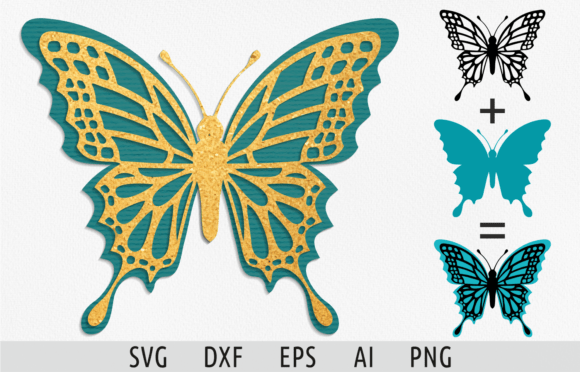
When I first opened the file for the Mandala Paper Cutting Mandala Papercut, the visual impact was immediate. The design relies heavily on negative space and overlapping layers to create depth, mimicking the look of a shadowbox template. In a digital context, this is stunning. However, as an embroidery professional, my mind instantly shifted to stitch density and thread tension. The mood it creates is one of modern elegance mixed with bohemian intricacy. It feels less like a traditional floral motif and more like architectural art.
The layout is symmetrical and balanced, which is excellent for centering on various items. Yet, the level of detail is high. This means that while it looks crisp on a screen, the translation to a machine embroidery design requires careful consideration. The sharp angles and thin lines typical of papercut styles can sometimes result in "laddering" if the stitch density isn't perfectly calibrated. Before committing this to a client project, I always run a test on scrap fabric to see how the fill stitch handles those tight corners without bunching up.
Real-World Application: From Hoop to Home
To truly evaluate the Mandala Paper Cutting Mandala Papercut, I imagined a specific scenario: creating a line of personalized tote bags for a local boutique. Tote bags are a staple for Etsy sellers and small shop owners because they offer a large canvas for statement designs. In this case, the mandala's bold geometry would pop beautifully against a natural cotton canvas. The tote bag design would benefit from the 3D illusion created by the layered elements, giving the customer a sense of premium quality.
I also considered using this for sweatshirt embroidery. Placing this mandala on the back of a heavyweight hoodie could elevate a basic garment into a fashion piece. The key here is the stabilizer. Because sweatshirts have a soft, stretchy texture, the intricate details of the Mandala Paper Cutting Mandala Papercut need strong backing to prevent distortion during stitching. If done correctly, the contrast between the soft fleece and the precise, almost rigid lines of the mandala creates a tactile experience that customers love.
For those focusing on home decor, this design fits seamlessly into pillow covers or kitchen towels. Imagine a holiday gift set where the holiday embroidery features this mandala in metallic threads. The reflective quality of the thread would enhance the "papercut" shadows, making the design shimmer under gallery lights. This kind of handmade product appeals to buyers looking for unique, artistic gifts rather than mass-produced items.
Navigating Challenges: Where Caution is Key
Despite its potential, the Mandala Paper Cutting Mandala Papercut is not a universal solution. There are specific situations where this design requires extra caution. Small hoop sizes are a major concern. If you attempt to shrink this design to fit a 4x4 inch hoop, the delicate inner details will likely merge into a solid blob of thread. The hoop size must be large enough to accommodate the full complexity of the pattern without sacrificing clarity.
Fabric choice is equally critical. On thin or highly textured fabrics, the dense areas of the mandala might cause puckering. Similarly, dark fabrics require significant changes to the thread colors and potentially an applique base to ensure visibility. If you are working with curved surfaces like caps, the rigid geometry of the mandala might not lay flat, leading to uneven stitching. In these cases, it is often better to use the design as a decorative accent on a patch rather than directly on the garment.
Another consideration is washing durability. Designs with high stitch density can become stiff over time. If you are selling custom apparel that needs to withstand frequent washing, such as aprons or baby clothes, you must ensure the design is not too heavy. A lighter running stitch outline combined with sparse fill might work better than a solid block of satin, preserving the fabric's drape.
Strategic Notes for the Professional Designer
Before integrating the Mandala Paper Cutting Mandala Papercut into your commercial workflow, there are several practical steps to take. First, always test the design on a scrap piece of the actual fabric you intend to use. This allows you to check for tension issues and color blending. Second, review the file specifications. Since this product is available as a digital asset, verify that the file formats provided match your machine's requirements. Whether you are using a standard embroidery file or converting a 3D Svg, compatibility is essential.
Color strategy is vital for this design. To maintain the papercut illusion, consider using monochromatic thread schemes or high-contrast combinations. Testing the design in black and white mockups can help you visualize how the shadows will appear before you commit to expensive threads. Additionally, always confirm the licensing terms. As a commercial embroidery provider, you need to know if you can sell the finished items or if there are restrictions on the number of products you can produce.
Final Verdict: A Versatile Asset with Conditions
In conclusion, the Mandala Paper Cutting Mandala Papercut is a powerful tool for designers willing to put in the technical work. It offers a unique visual style that stands out in a crowded market of generic floral patterns. When used on appropriate fabrics with the right stabilizer and hoop size, it can transform simple items into high-value finished products. However, it demands respect for its complexity. By testing thoroughly and understanding its limitations, you can leverage this design to build trust with your customers and enhance your brand's reputation for quality craftsmanship.
Whether you are creating a personalized gift for a friend or launching a new line of merchandise for your craft business, this mandala offers endless possibilities. Just remember that the magic lies not just in the design itself, but in how skillfully you execute it on the machine. With careful planning, this digital embroidery file can become a cornerstone of your portfolio.