Polka-dot Number 6: A Designer's Real-World Review
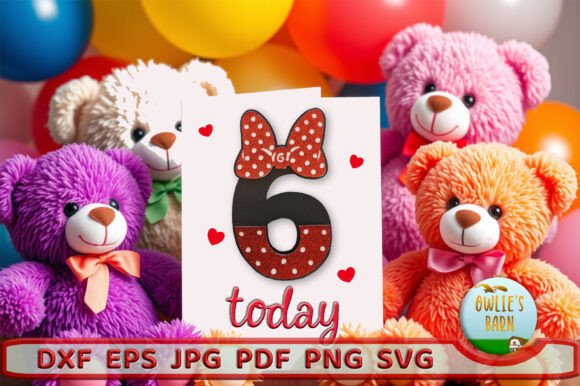
As someone who has spent years navigating the intersection of digital design and physical thread, I approach every new machine embroidery design with a critical eye. We are not just looking at pixels on a screen; we are visualizing how that image will translate into a tangible finished product. Today, I am evaluating Polka-dot Number 6, a 3D SVG file designed for the Birthdays category. The promise here is a layered number featuring a cute bow, standing approximately 30cm high. But does it hold up under the scrutiny of a professional craft business?
The First Impression: Mood and Visual Weight
When I first opened the preview for Polka-dot Number 6, the immediate reaction was one of playful elegance. The polka-dot pattern breaks up the solid mass of the number, giving it a lighter, more whimsical feel than a standard block digitization. The addition of the bow adds a necessary focal point, softening the geometric rigidity of the numeral. For a handmade product intended as a personalized gift, this balance is crucial. It avoids looking too childish while maintaining enough charm to appeal to a wide age range.
However, the "layered" aspect mentioned in the description raises immediate questions about execution. In my experience, layered designs can sometimes suffer from registration issues if the stitch density isn't perfectly calibrated. The visual personality of Polka-dot Number 6 suggests it belongs on items where texture is celebrated—think sweatshirt embroidery or a heavy cotton tote bag design. On a delicate silk scarf, the boldness might overwhelm the fabric, but on a sturdy canvas, it would likely pop with authority.
A Real-Life Scenario: The Custom Tote Bag Project
Let’s walk through a practical application. Imagine I am an Etsy seller preparing for a rush of birthday orders. A client wants a custom tote bag for their daughter’s sixth birthday. They want something unique, not just a printed sticker. I pull up Polka-dot Number 6.
At 30cm high, this design is substantial. It demands space. If I were to place this on a standard small tote, it would dominate the front panel, potentially making the bag look top-heavy. However, on a large shopper bag or a pillow cover, the scale works beautifully. The polka dots create a sense of depth that mimics a 3D SVG effect even before the thread hits the fabric. When stitching, I would need to ensure the dots are filled with a consistent fill stitch rather than a sparse running stitch, which could leave gaps and ruin the illusion of a solid pattern.
The bow element is the star here. In a real-world scenario, customers often gravitate toward the details. If the bow is stitched with a crisp satin stitch, it will catch the light and add a premium feel to the custom apparel. This level of detail is what separates a hobbyist project from a boutique-quality item. It signals to the buyer that care was taken in the construction, increasing the perceived value of the small shop product.
Navigating Fabric Challenges and Stitching Nuances
While Polka-dot Number 6 looks promising, a seasoned designer knows that success depends heavily on the substrate. Here is where caution is required. The design features intricate curves and small dots. If you attempt this on a highly textured fabric like chenille or a very stretchy knit without proper support, the dots may distort, losing their circular shape.
I strongly advise using a robust stabilizer when working with this embroidery file. Since the design is relatively large (30cm), the hoop tension must be managed carefully to prevent puckering, especially around the bow area where stitches converge. For dark fabrics, the contrast becomes key. You cannot simply use white thread on black fabric for the polka dots; the density needs to be higher to prevent the background color from showing through. Always test the design on scrap fabric first to check thread colors and coverage.
Furthermore, consider the placement. Curved surfaces like caps or sleeves require careful mapping. A straight number might look fine, but the bow could twist awkwardly if not aligned with the garment's grain. If you are creating an embroidered patch instead of direct stitching, the backing material becomes your best friend, allowing you to iron the finished piece onto almost anything, including denim jackets or backpacks.
Commercial Viability and Brand Consistency
For creative entrepreneurs and digital product sellers, consistency is the backbone of a brand. Polka-dot Number 6 offers a distinct aesthetic that can become a signature for your craft business. Whether you are selling baby embroidery sets or holiday-themed decor, having a reliable design asset ensures your printable mockup matches the reality of the finished product.
This design fits well into the commercial embroidery market because it is versatile. It can be adapted for holiday gifts by changing the thread palette to seasonal colors, or used for year-round nursery decor in pastels. The fact that it is a digital product only suitable for hand or machine cutting means you have flexibility in how you produce it. You aren't limited to just embroidery machines; if you have a cutting plotter, you could potentially use it for applique work, adding another dimension to your offerings.
Practical Notes for the Professional Maker
Before committing to a batch production run, here are my final notes for using Polka-dot Number 6:
- Verify Licensing: Always confirm the license terms before selling finished products. Ensure you have the right to sell items made with this specific embroidery project design.
- Check Hoop Size: At 30cm, this design requires a large hoop or a multi-step hooping process. Plan your workflow accordingly to avoid shifting.
- Test Contrast: Run a black and white mockup comparison to see how the dots read against different backgrounds before purchasing expensive thread.
- Inspect Small Details: Zoom in on the bow and the edges of the dots. Ensure the stitch density is sufficient to hold the shape after washing.
- Stabilizer Strategy: Use cut-away stabilizer for knits and tear-away for wovens to maintain the integrity of the layered number.
In conclusion, Polka-dot Number 6 is a strong contender for your design library. It brings a fresh, celebratory vibe to Birthdays projects and offers enough visual interest to elevate a simple garment into a statement piece. While it requires attention to detail regarding fabric choice and stabilization, the payoff in customer satisfaction and brand perception makes it a worthwhile investment for any serious embroiderer.