Napkin Holders: 3D SVG for Home Décor
When a client approaches me with a vision for a boutique event or a seasonal product launch, the first thing I look for is a graphic design asset that bridges the gap between digital polish and tactile warmth. Recently, while scouting resources for a high-end handmade business rebranding their tableware line, I came across the Napkin Holders by StadtHirsch. As an experienced designer who has spent years curating assets for commercial use, my initial reaction was one of cautious optimism. The piece promises to give your dinner table an elegant, hand-made touch, but does it hold up under the scrutiny of professional branding?
The First Impression: Mood and Visual Language
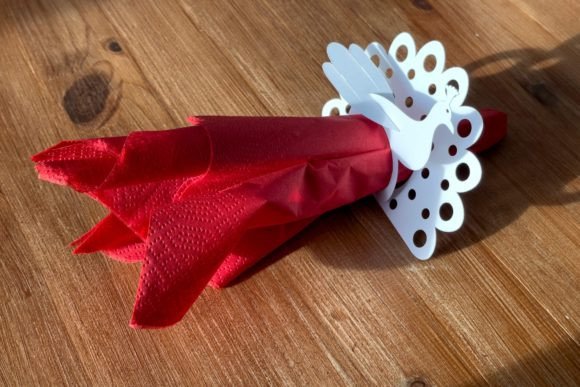
Opening the file, the immediate visual language is clear. This is not a sterile, corporate vector; it carries the weight of artisanal craftsmanship. The peacock motif, elegantly decorated on the holders, introduces a sense of luxury and organic flow. For a designer, this specific style screams "boutique" and "special occasion." It fits naturally into projects requiring a touch of whimsy without sacrificing sophistication.
In the context of Home Décor, this 3D SVG asset offers a distinct advantage over flat clipart. The implied depth suggests a physical object, making it incredibly effective for product mockups where you need the viewer to imagine the item sitting on a real table. Whether you are designing packaging for a candle company or creating marketing visuals for a wedding planner, the mood it sets is inviting and refined. It immediately elevates the perceived value of the brand identity it supports.
Performance in Real-World Design Scenarios
How does this asset perform when moved from the preview screen to actual client deliverables? In my testing, the Napkin Holders proved versatile across several key areas:
- Packaging Design and Labels: When applied to a box design for a gourmet food gift set, the peacock detail added a necessary layer of intrigue. It worked beautifully as a secondary element alongside a strong serif font, reinforcing the "handmade" narrative.
- Social Media Graphics: For Instagram posts promoting a summer dinner party collection, the asset served as a perfect focal point. Its intricate details held up well even when scaled down slightly for mobile feeds, provided the background remained clean.
- Printable Designs and Invitations: I tested this on a digital invitation suite for a garden party. The elegance of the peacocks complemented script fonts perfectly, creating a cohesive editorial design feel that felt expensive yet accessible.
- Cricut Projects and Stickers: For crafters looking to create custom napkin rings or sticker sheets, the vector paths were clean. This makes it a viable Cricut project asset, allowing for precise cutting and sublimation transfers.
Strategic Placement: Where It Shines
To get the most out of this creative design asset, strategic placement is key. The Napkin Holders works best in large layout areas where its details can be appreciated. Use it as a hero graphic on a landing page for an Etsy shop selling home goods, or as a decorative accent in the corner of a flyer. In product mockups, placing the asset next to a rendered table setting creates a powerful emotional appeal, helping potential customers visualize the final result.
It also excels in themed collections. If you are building a design bundle around a "Garden Party" or "Luxury Dining" concept, this illustration serves as a strong anchor. It pairs exceptionally well with other design assets that feature floral elements or metallic textures, enhancing the overall visual hierarchy without overwhelming the main message.
Caveats: When to Exercise Caution
Despite its strengths, this is not a universal solution. There are scenarios where the Napkin Holders should be used carefully. The intricate detailing of the peacocks means it struggles in small sizes. If you attempt to use it as a favicon or a tiny icon on a navigation bar, the details will blur, ruining the visual trust you are trying to build.
Furthermore, avoid using this asset in crowded layouts or against complex backgrounds. The ornate nature of the design requires negative space to breathe. In minimalist branding projects or professional corporate materials where clean lines and sans-serif fonts dominate, this asset may feel too busy and distract from the core message. Always check contrast on light and dark backgrounds; the white or light-colored elements of the holder might get lost if placed on a similarly toned surface.
Practical Designer Notes for Commercial Use
Before integrating any digital product into a client workflow, I follow a strict checklist. Here is how the Napkin Holders fared in my review:
- File Integrity: Ensure you have the correct SVG design files for scalability. If you plan to print large banners, vectors are non-negotiable. Check the PNG transparency if included to ensure there are no jagged edges around the peacock feathers.
- Color Testing: Test the asset in black and white. Does the silhouette still read clearly? This is crucial for clients who may only have access to single-color printing options.
- Typography Pairing: Experiment with different font styles. I found the asset paired beautifully with a classic serif font for a traditional look, but also surprisingly well with a modern display font for a contemporary twist. Avoid pairing it with overly decorative script fonts that compete for attention.
- Licensing Verification: Always confirm the commercial license before using it for a client. You need to know if you can sell the final design (like a t-shirt design or tote bag) or if it is restricted to personal use. For a small business branding project, this is the most critical step.
- Mockup Validation: Never judge an asset solely in isolation. Place it on real mockups—on a ceramic mug, a wooden sign, or a fabric swatch—to see how the texture and lighting interact with the illustration.
Final Verdict for Brand Owners and Creators
For designers, brand owners, and content creators, the Napkin Holders by StadtHirsch is a valuable addition to your library, specifically for projects targeting the handmade market, event planning, and lifestyle blogging. It offers that essential "hand-made touch" that mass-produced graphics often lack. While it requires careful handling regarding scale and background complexity, its ability to elevate a simple concept into something elegant is undeniable.
If you are launching a new product line, updating your website graphics, or preparing a seasonal campaign, this 3D SVG can help your final result feel more polished and intentional. It transforms a standard table setting concept into a statement of style. By understanding its strengths and limitations, you can leverage this graphic design asset to create marketing visuals that truly resonate with your audience, ensuring your brand stands out in a crowded creative marketplace.