Llama Folk Art Scandinavian Shadow Box Review
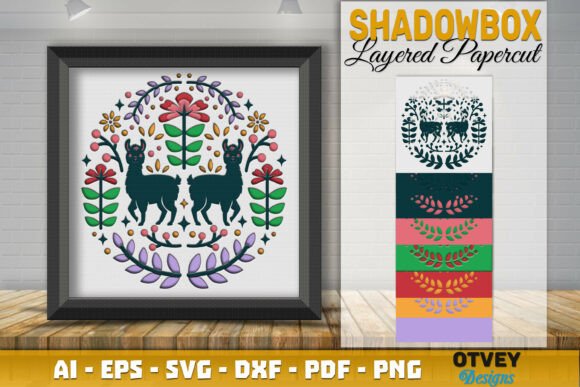
As a designer who has spent years navigating the fine line between digital art and tangible thread, I approach every new asset with a critical eye. When I first opened the preview for the Llama Folk Art Scandinavian Shadow Box, I wasn't just looking at a cute animal; I was assessing a potential centerpiece for my upcoming holiday collection. This piece immediately strikes a balance between whimsical folk charm and the clean, geometric lines typical of Scandinavian aesthetics. It is not merely an image; it is a structural element designed to create depth, making it a standout candidate for Shadow Boxes and layered textile projects.
The visual personality of this design is distinct. The llama itself is rendered with bold outlines and simplified features that scream "folk art," yet the composition suggests a three-dimensional quality perfect for layering. In the world of embroidery, where flat stitches can sometimes feel lifeless, a design that inherently suggests depth is a goldmine. I found myself immediately thinking about how this would translate from a screen into a physical object. Would the curves hold up? Would the negative space work as intended when stitched? These are the questions that separate a hobbyist from a professional creating commercial embroidery assets.
Bringing the Design to Life: A Real-World Scenario
To truly understand the value of the Llama Folk Art Scandinavian Shadow Box, let's walk through a specific project. Imagine you are an Etsy seller preparing for the winter rush. You want to create a premium, handmade tote bag or a heavy-weight canvas apron that feels both cozy and modern. You need a design that pops against natural fibers like linen or unbleached cotton.
I envision placing this llama design on a sturdy tote bag using a technique that leverages its 3D nature. By utilizing the different layers available in the file structure, you could embroider the background elements first, then add a felt cutout or a second layer of fabric for the llama's body, and finally top-stitch the details. This creates a tactile experience that customers love. The result is a finished product that looks expensive and artisanal, far surpassing standard single-layer prints. For a small shop owner, this kind of visual appeal directly translates to higher perceived value and better engagement in your listings.
The versatility extends beyond bags. Picture a personalized sweatshirt embroidery project for a boutique client. The bold shapes of the Llama Folk Art Scandinavian Shadow Box would look incredible on the chest or back of a crewneck. Because the design relies on strong silhouettes rather than microscopic details, it remains legible even from a distance. This is crucial for custom apparel where wearability and durability matter. The Scandinavian influence ensures it doesn't feel too kitschy, allowing it to fit seamlessly into modern home decor or fashion-forward streetwear.
Technical Performance and Stitch Considerations
When moving from concept to execution, the technical aspects of the machine embroidery design become paramount. While the visual style is clear, the success of the project depends on how well the file handles density and placement. As a reviewer, I always advise testing any new embroidery file on scrap fabric first. This allows you to check the stitch density without risking a costly mistake on premium materials.
For a design like this, which implies depth, the interplay between fill stitch and satin stitch is critical. The larger areas of the llama will likely require dense fill stitches to prevent the backing from showing through, especially on lighter fabrics. Conversely, the outlines and facial features will benefit from crisp satin stitching. However, be cautious with the transition points. If the design includes very thin lines connecting to larger shapes, ensure your machine tension is dialed in correctly to avoid puckering.
The file formats provided in the download—AI, PDF, EPS, JPG, PNG, SVG, and DXF—are comprehensive. The SVG format is particularly valuable here because it supports the vector scaling needed for 3D SVG applications, whether you are cutting vinyl for applique or sending the data directly to a laser cutter for wood components in a shadow box. The DXF file opens doors for those using CNC machines or specialized cutting plotters. However, always verify the specific hoop size requirements within your embroidery software before starting. A design that looks perfect at 5 inches might lose its impact or structural integrity if scaled down to a 4-inch hoop for a cap or hat.
Navigating Fabric Challenges and Limitations
Not every fabric plays nice with every design. The Llama Folk Art Scandinavian Shadow Box is robust, but it requires thoughtful material selection. On textured fabrics like thick wool or heavy denim, the intricate details of the folk art style might get lost if the stitch length isn't adjusted. Similarly, on stretchy knits used for baby clothes, the rigidity of the design could cause distortion over time unless a high-quality stabilizer is used.
Dark fabrics present another consideration. The lightness often associated with Scandinavian design means that white or pastel threads will be necessary for contrast. Ensure your thread colors provide enough separation from the background to maintain the design's clarity. If you are planning a baby embroidery item, remember that soft, non-toxic threads are essential, and the design should not have sharp edges that could irritate sensitive skin.
Furthermore, while this design is excellent for flat surfaces like pillow covers or tea towels, curved surfaces like caps require careful digitizing adjustments. The perspective of the llama might warp slightly on a rounded brim. Always inspect small details and corners on your test run. If the design includes tiny lettering or delicate decorative accents, consider simplifying them for smaller applications to ensure they remain readable after washing.
Strategic Value for Craft Businesses
For the creative entrepreneur, the Llama Folk Art Scandinavian Shadow Box offers more than just a pretty picture; it offers a brand opportunity. Using a cohesive theme across your handmade product line builds recognition. Whether you are selling holiday embroidery items, wedding gifts, or everyday accessories, consistency in style fosters customer trust. This design fits perfectly into a narrative of warmth, nature, and modern craftsmanship.
Before committing to a large production run, create a printable mockup to visualize the final look. Compare how the design appears on light versus dark backgrounds. Does it maintain its charm? Does it align with your shop's aesthetic? These steps are vital for maintaining professionalism. Additionally, always confirm the licensing terms. Just because you received a ZIP file with multiple formats does not automatically grant commercial rights for all uses. Check if you can sell the finished items, the digital files, or use the design for personalized gift services.
In conclusion, the Llama Folk Art Scandinavian Shadow Box is a versatile and visually striking asset for designers willing to put in the technical groundwork. It excels in projects that demand texture, depth, and a touch of whimsy. From embroidered patches to full-scale wall art, its potential is vast. By respecting the limitations of fabric and machinery and leveraging the strengths of its folk-art roots, you can create products that stand out in a crowded market. It is a design that invites creativity, offering a solid foundation for both personal hobbies and serious craft business ventures.