Lily Pop-up Card: 3D SVG for Holidays
First Impressions of a Realistic Floral Asset
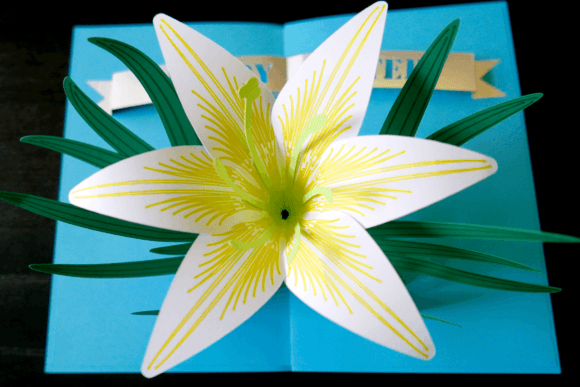
When I first opened the file for the Lily Pop-up Card, my immediate reaction was one of professional curiosity. As a designer who frequently sifts through creative marketplaces to find assets that can elevate a client's brand, I look for specific qualities: depth, texture, and versatility. This quality template is created by Printsables, and it delivers on the promise of being a beautiful and realistic Easter Lily pop-up card. Unlike flat clipart that often feels dated or generic, this 3D SVG asset possesses a tangible sense of dimension. The petals appear soft yet structured, capturing the delicate nature of the flower while maintaining enough visual weight to stand out in a composition.
The mood it creates is inherently celebratory yet sophisticated. It bridges the gap between a whimsical handmade feel and a polished commercial aesthetic. For a project targeting Holidays like Mother’s Day, Valentine’s Day, or even a spring wedding invitation suite, this asset provides an instant emotional connection. It suggests freshness, renewal, and elegance without requiring hours of manual illustration work. However, before I would recommend this to a real client, I need to stress-test it against the rigors of actual production environments.
Integrating the Lily into Brand Identity and Packaging
In a recent consultation for a boutique handmade business launching a new line of artisanal soaps and candles, the client wanted packaging that felt organic but premium. They needed a visual anchor that could work across product labels, gift tags, and social media graphics. The Lily Pop-up Card design immediately came to mind as a potential hero element. Because it is a graphic design asset with realistic rendering, it pairs exceptionally well with serif fonts and handwritten script styles, creating a cohesive brand identity.
For packaging design, the 3D nature of the lily allows it to pop off the surface, especially when printed on textured paper or used in die-cut applications. If we were to use this for a print-on-demand t-shirt design or tote bag, the depth in the SVG ensures that the print doesn't look like a cheap sticker slapped onto fabric. Instead, it mimics the look of high-quality embroidery or detailed screen printing. In the context of marketing visuals, such as Instagram posts or Pinterest pins, this illustration serves as a focal point that stops the scroll. Its realism draws the eye more effectively than abstract shapes, making it a powerful tool for increasing audience engagement.
Performance in Digital and Print Environments
One of the critical factors in selecting a digital product is how it scales. Since this is a 3D SVG, it offers vector editability, which is a massive advantage for professional workflows. I tested the file by resizing it from a tiny icon for a website favicon to a large hero graphic for a landing page banner. The lines remained crisp, and the shading gradients held their integrity. This scalability makes it perfect for web design elements, editorial design layouts, and even large-format posters for local events.
However, versatility also depends on how the asset interacts with other design elements. When I placed the lily alongside sans-serif fonts, the contrast between the organic, flowing lines of the flower and the geometric precision of the typeface created a modern, balanced look. Conversely, pairing it with a display font added a touch of vintage charm suitable for wedding invitations or anniversary cards. For Cricut users and crafters, the clean paths of the SVG ensure that cutting machines can trace the intricate details without errors, making it a reliable choice for physical sticker design or layered paper crafts.
Strategic Placement and Visual Hierarchy
While the Lily Pop-up Card is visually striking, it is not a "one-size-fits-all" solution. In terms of visual hierarchy, this asset works best as a primary focal point or a significant decorative accent. It thrives in large layout areas where its details can be appreciated, such as the center of a greeting card, the front of a product box, or as the main image in a product mockup. Using it in themed collections, such as a spring campaign visual set, helps establish a consistent mood across various touchpoints.
There are scenarios, however, where caution is required. In crowded layouts or designs with complex backgrounds, the intricate details of the lily can get lost, reducing its impact. It should be avoided in minimalist branding projects that demand extreme simplicity or in professional corporate materials where a more abstract logo might be appropriate. Additionally, if used in low-contrast designs, the subtle shading of the flower may not render well, potentially affecting readability and overall professionalism. Designers must ensure there is sufficient negative space around the asset to let it breathe.
Practical Designer Notes for Commercial Use
Before finalizing any commercial design project using this asset, I always run a checklist. First, I test the design in black and white to ensure the form holds up without color. Then, I preview it on both light and dark backgrounds to check contrast levels. For print clients, I inspect the file formats to confirm that the PNG transparency is clean and free of jagged edges, and I verify that the SVG layers are organized logically for easy editing.
I also place the asset on real-world mockups to see how it translates to physical products like mugs, journals, or apparel. This step is crucial for managing client expectations regarding print quality. Finally, and most importantly, I confirm the commercial license terms. Ensuring that the rights allow for use in client work, resale on platforms like Etsy, or inclusion in a design bundle is non-negotiable. Without proper licensing, even the most beautiful creative design becomes a liability.
Final Verdict for Small Business Owners and Creators
The Lily Pop-up Card is a robust addition to any designer's toolkit, particularly for those working in the Holidays and gifting sectors. Its realistic style and 3D capabilities make it a standout choice for small business branding that aims to convey warmth and quality. Whether you are a blogger creating seasonal content, a marketer designing email headers, or a crafter producing limited-edition goods, this asset offers the polish needed to compete in a saturated creative marketplace.
It transforms simple concepts into memorable experiences. By understanding its strengths in editorial design, sublimation design, and digital marketing, you can leverage this clipart to create projects that resonate emotionally with your audience. Just remember to apply good design judgment regarding scale and context, and you will have a versatile tool ready for your next big launch.