Chocolate Egg Box SVG: 3D Easter Design Review
Last week, a boutique chocolatier approached me with a tight deadline. They needed to launch a limited-edition Easter collection featuring single foil-wrapped eggs, similar to the classic Cadbury Creme Egg. The challenge wasn't just making it look festive; it was creating packaging that felt premium, structural, and ready for immediate production. I began scouring my digital library and various creative marketplaces for a solution that would save hours of modeling time. That is when I stumbled upon the Chocolate Egg Box SVG. As a professional designer who evaluates assets based on their viability for real client work, I put this file through a rigorous stress test to see if it could handle the demands of a commercial project.
First Impressions: Visual Weight and Structural Integrity
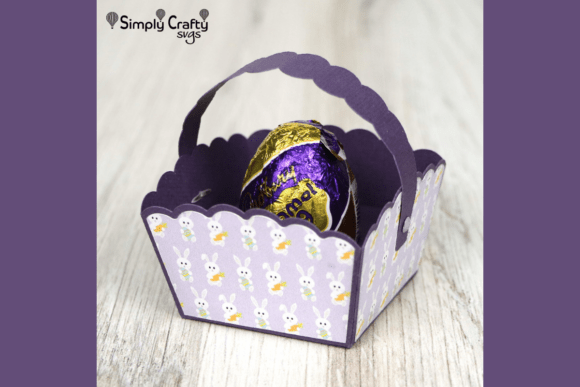
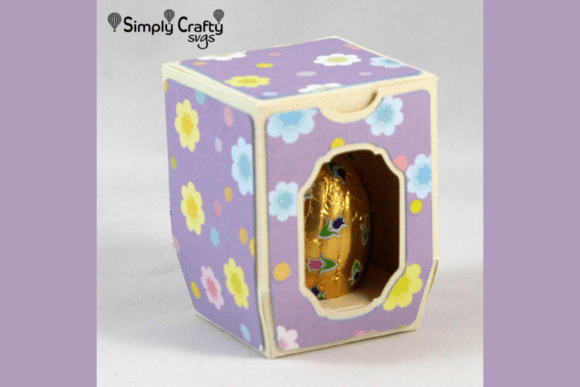
The moment I opened the Chocolate Egg Box SVG, the visual impact was immediate. Unlike flat clipart that often lacks dimension, this asset delivers a convincing sense of depth. It is a perfectly sized, 3D layered SVG design specifically engineered to hold a single chocolate egg. The dedicated internal insert mentioned in the product description is not just a marketing buzzword; it is a critical design element that solves a major pain point for packaging designers. When you are building a brand identity for a handmade business, the difference between a generic box outline and a realistic container with an insert can define the perceived value of the product.
The mood this graphic creates is one of anticipation and indulgence. It feels tactile, even on a screen. For a small business branding project, this level of detail suggests quality without requiring the client to spend thousands on custom 3D rendering. The style sits comfortably between modern design and traditional craft aesthetics, making it versatile enough for a range of audiences from luxury confectioners to local Etsy sellers.
Performance in Real-World Design Scenarios
To determine if this graphic design asset was suitable for my client's campaign, I tested it across multiple mediums. In the realm of packaging design, the file shined. Because it is a vector-based format, I could scale it up for large-format die-cut templates or shrink it down for a label on a gift bag without losing any fidelity. The layers allowed me to separate the box structure from the insert, giving me the flexibility to apply different textures or colors to each component.
Beyond physical packaging, I explored its utility in marketing visuals and social media graphics. I placed the Chocolate Egg Box SVG into a mockup for an Instagram post promoting the new spring line. The 3D nature of the illustration popped against a soft pastel background, drawing the eye immediately to the product. This is crucial for visual hierarchy; when users scroll quickly through feeds, they need an image that communicates "product" instantly. This asset does exactly that. It also proved effective as a decorative accent in email newsletters and as a hero graphic for a landing page, adding a cohesive seasonal theme without overwhelming the copy.
I also considered its application in Cricut projects and printable designs. Many of my clients run hybrid businesses where they sell both physical goods and digital downloads. This file works beautifully for creating DIY kit instructions or printable party invitations. If a crafter wants to cut out a template to build a physical box at home, the precision of the lines ensures clean cuts. For those using sublimation design software, the high contrast and clear edges make it ideal for transferring onto tote bags, mugs, or t-shirt designs, provided the color palette is adjusted for the specific fabric dye requirements.
Strategic Placement: Where It Works Best
Understanding where to deploy this asset is key to maintaining a polished look. The Chocolate Egg Box SVG excels in large layout areas where it can serve as the focal point. In product mockups, it acts as a realistic placeholder, allowing stakeholders to visualize the final unboxing experience before a single prototype is manufactured. It is equally effective in themed collections, such as a series of editorial design pieces for a food blog or a seasonal catalog.
For web design elements, placing this illustration alongside descriptive text about the chocolate's origin or flavor profile creates a narrative connection. It bridges the gap between the abstract concept of "Easter treats" and the tangible reality of the product. When used in digital ads, the 3D effect helps the ad stand out against competitors who might be using flat icons or stock photography that looks overly generic.
Navigating Limitations: Where Caution Is Needed
However, no design asset is a magic bullet. There are scenarios where the Chocolate Egg Box SVG requires careful handling. Due to its detailed, layered nature, it should not be used in extremely small sizes. If shrunk down to the size of a favicon or a tiny icon in a navigation bar, the intricate details of the insert and the box folds may blur or become indistinguishable, cluttering the interface.
Similarly, avoid placing this asset on complex, busy backgrounds. The strength of this design lies in its form and shading; a chaotic pattern behind it will compete for attention and destroy the visual hierarchy. It also might feel out of place in strictly minimalist branding or professional corporate materials that demand stark simplicity. If your client's brand voice is ultra-modern and devoid of ornamentation, this illustrative style might feel too whimsical. Always ensure the emotional appeal of the asset aligns with the brand's core values.
Practical Designer Notes for Commercial Use
Before integrating this into a client deliverable, I follow a strict checklist. First, I always test the design in black and white. Even though it is intended for color, checking the grayscale version ensures the shapes remain distinct and readable if printed on monochrome paper or viewed by someone with color vision deficiency. Next, I preview it on both light and dark backgrounds to check contrast ratios. The default colors in the SVG design usually pop well on white, but dark mode compatibility needs verification.
I also inspect the file formats thoroughly. While the primary file is an SVG, I check if a PNG design version with transparency is included for quick drag-and-drop use in tools like Canva. For print production, I review the vector editability to ensure I can adjust stroke weights or anchor points if the printer requests changes. It is also vital to compare how the illustration pairs with different typography. Does it harmonize better with a playful script font, a bold sans serif, or a classic serif? In my tests, a rounded sans serif complemented the soft curves of the box best.
Finally, and most importantly, confirm the commercial license. As a professional, I cannot risk legal issues for my clients. Ensure the license covers commercial design use, including resale items like print-on-demand products or Etsy products. If the license restricts the number of end-users or prohibits use in certain types of merchandise, you must know this upfront. Once verified, this design bundle becomes a powerful tool in your arsenal.
Final Verdict for the Creative Professional
The Chocolate Egg Box SVG is more than just a seasonal clipart; it is a functional creative design solution for professionals who need speed without sacrificing quality. Whether you are a marketer crafting a holiday campaign, a blogger creating blog visuals, or a small business owner launching a new product line, this asset offers the versatility needed to elevate your work. By providing a realistic, 3D representation of packaging, it allows you to present your ideas with confidence and clarity. For any designer looking to streamline their workflow during the busy Easter season, this is a highly recommended addition to your library of design assets.